ISO 9001:2015 Certified Manufacturer
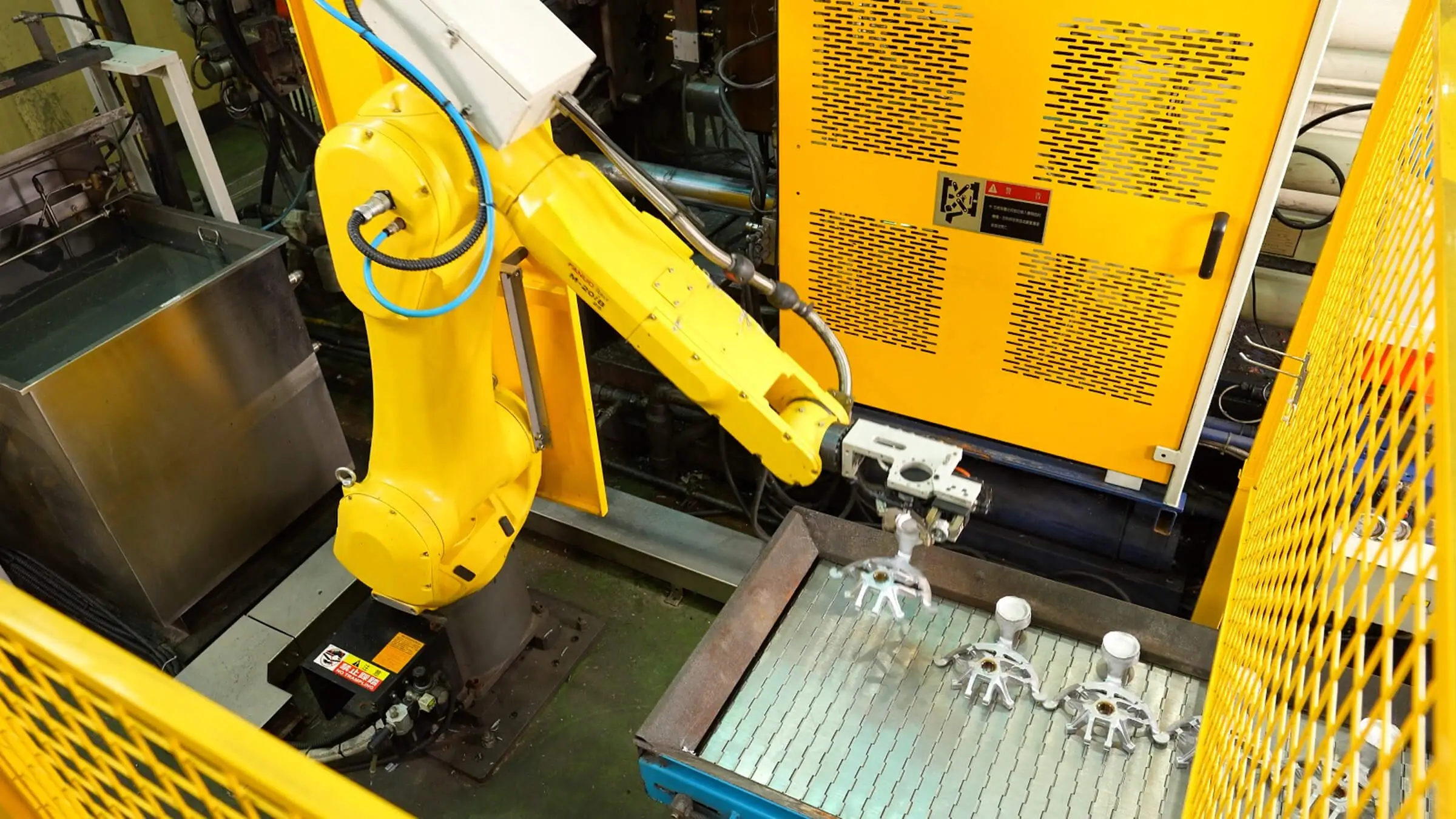
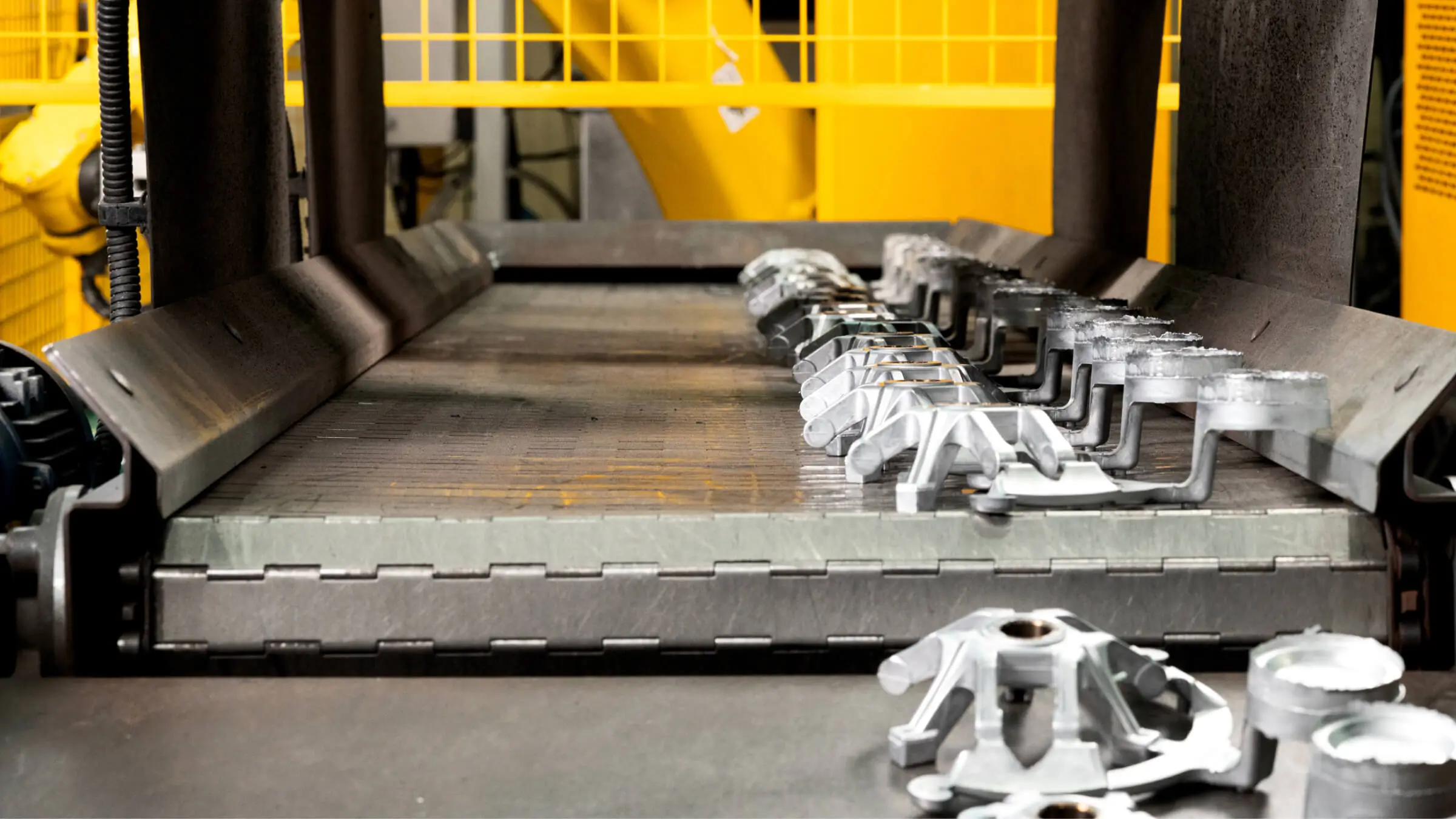
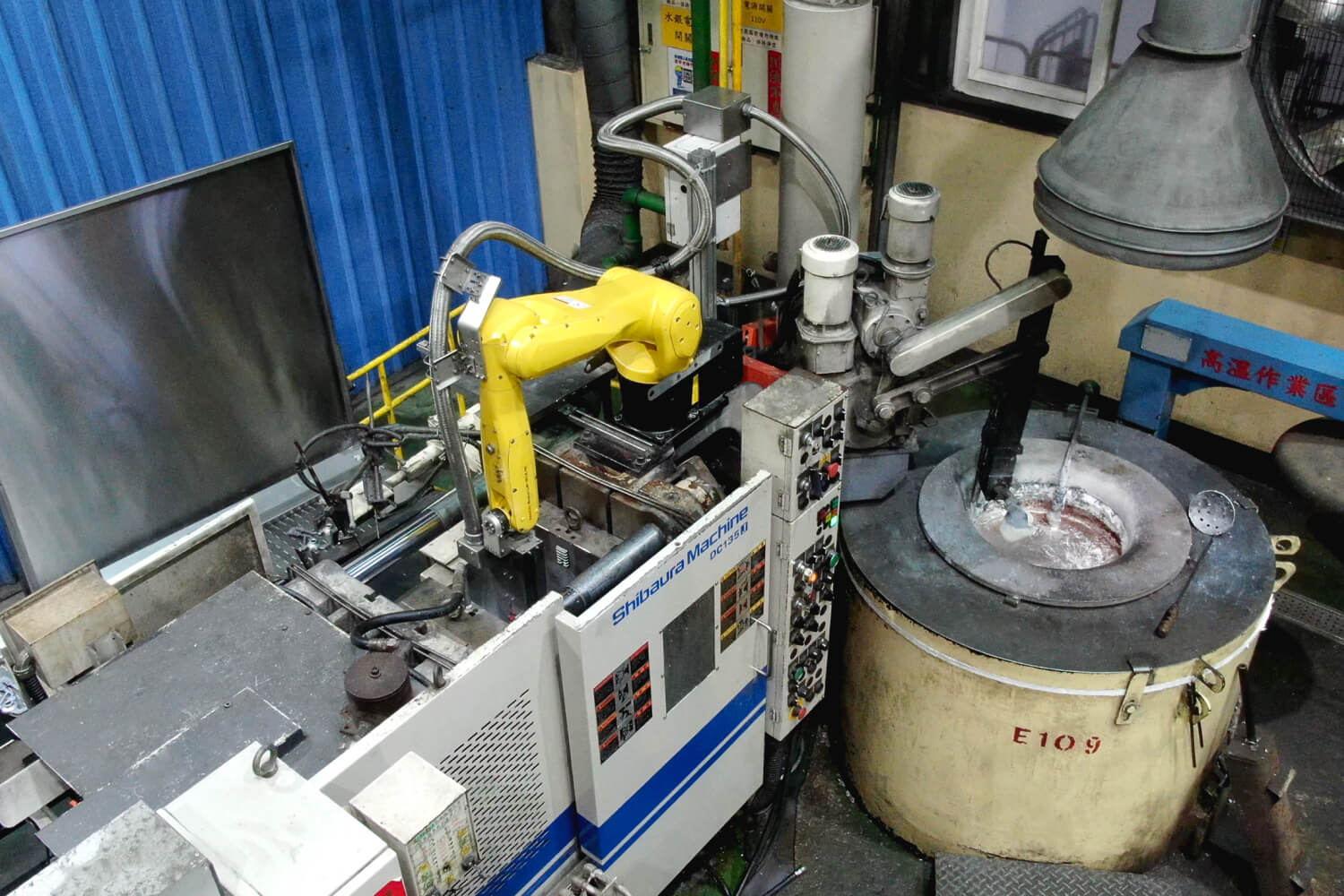
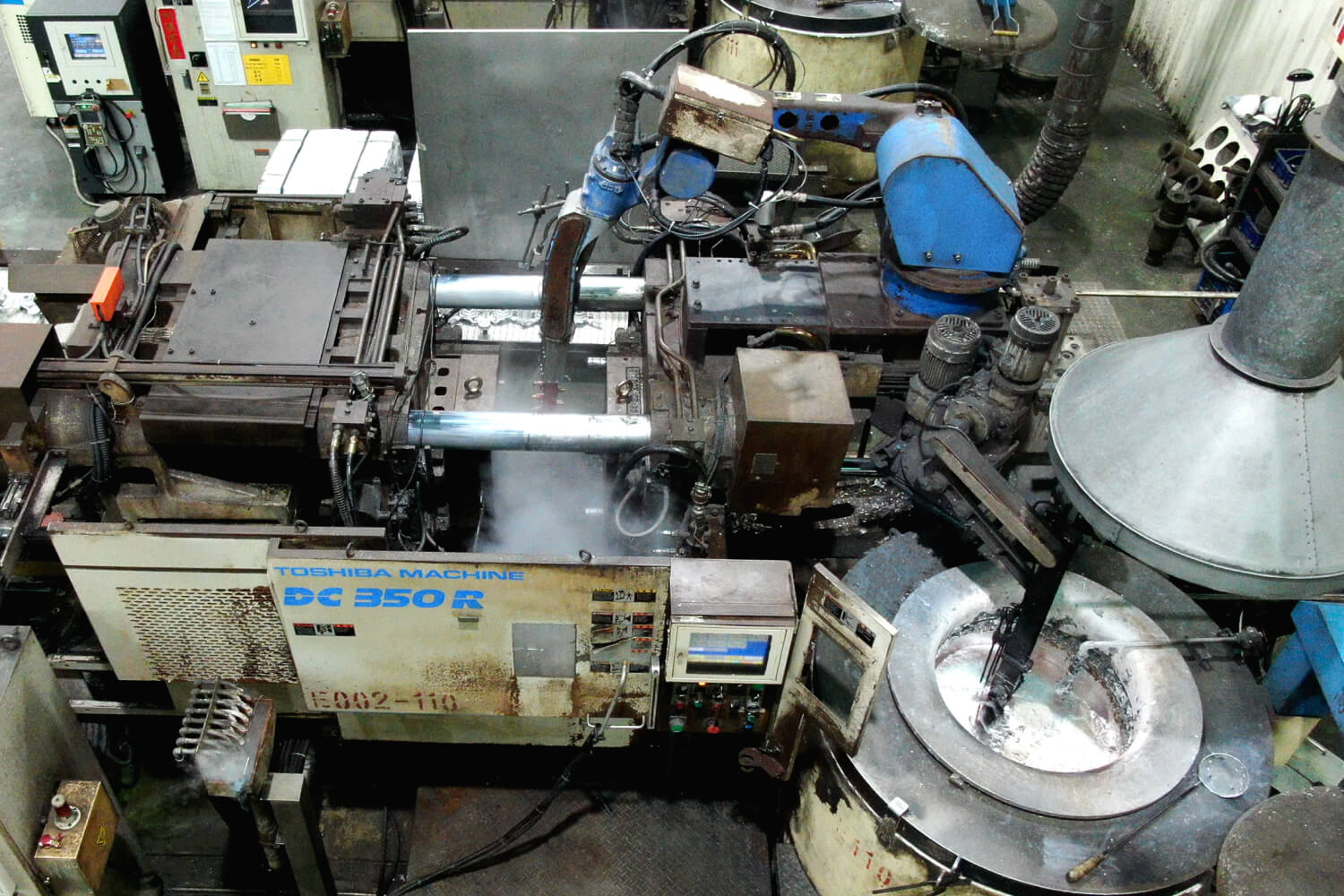
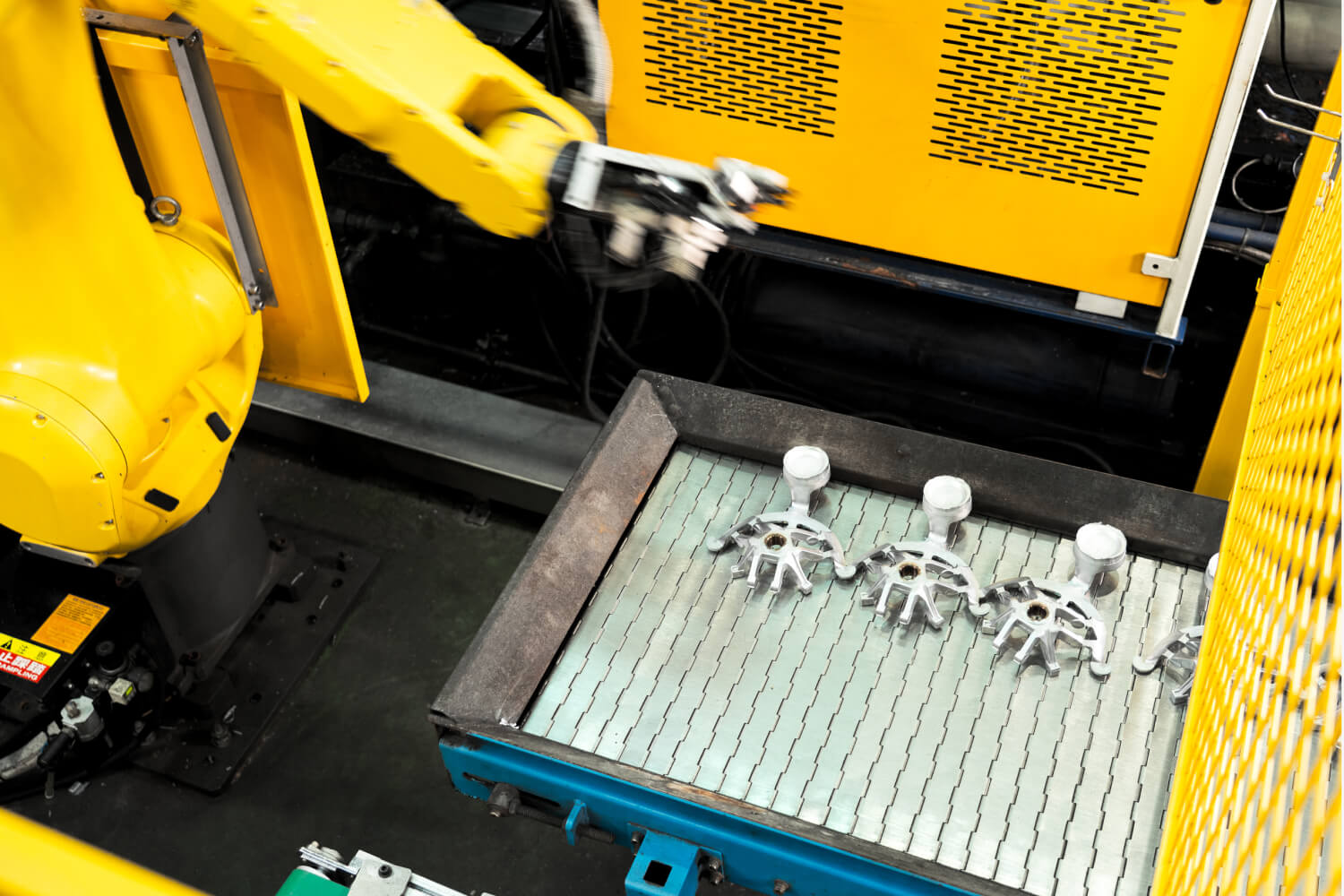
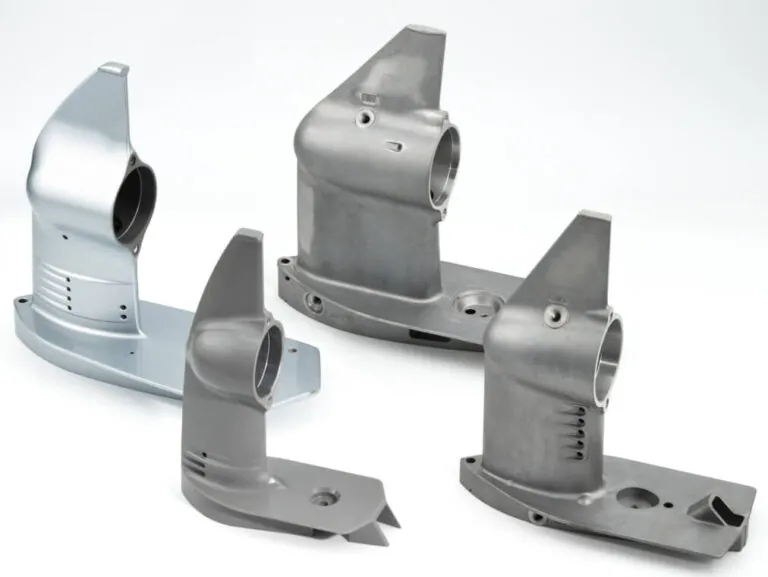
At JoinCast we provide high-pressure aluminum parts die casting with complete in-house manufacturing capabilities. From mold design to CNC machining and surface treatment, all under one roof.
Production
12
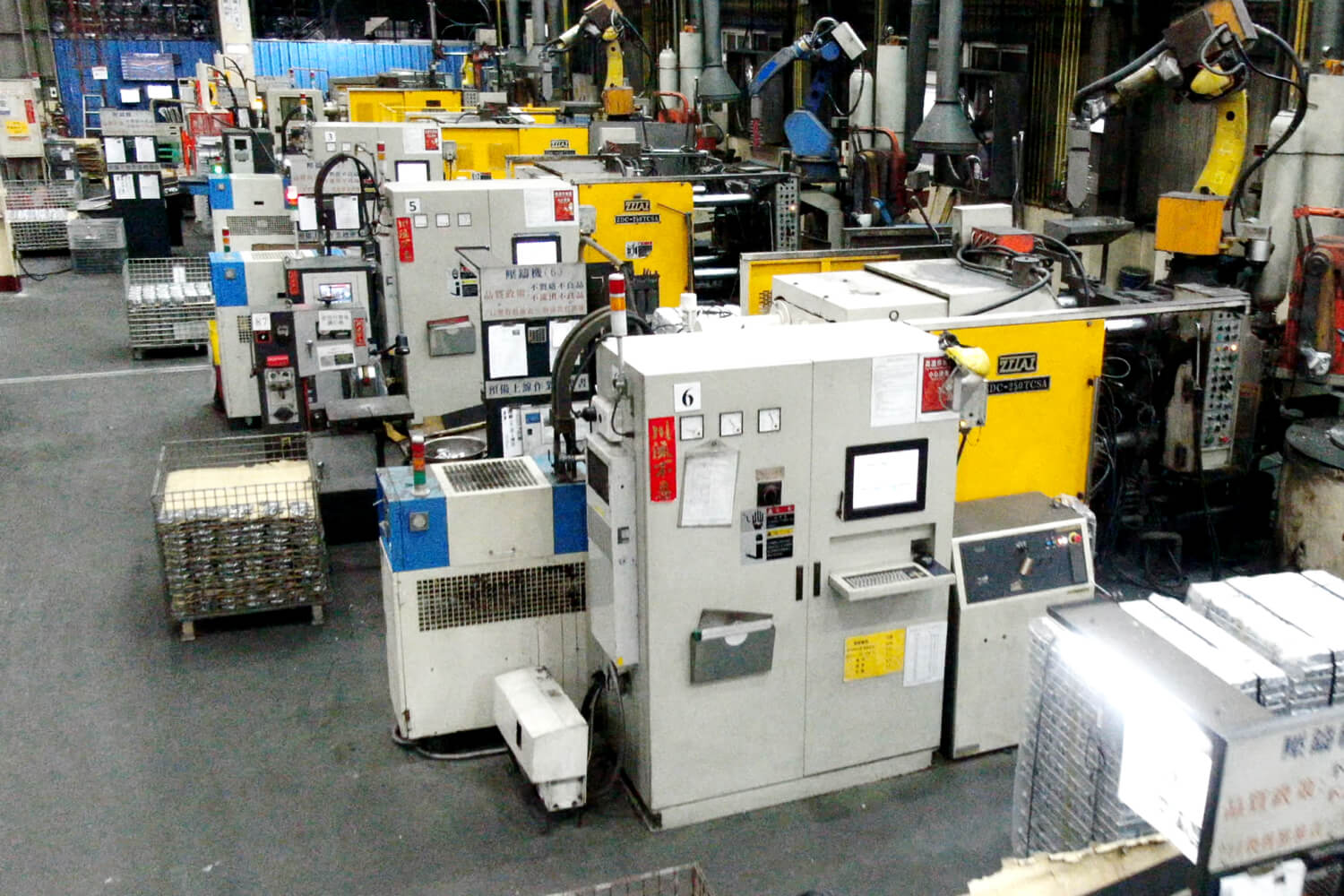
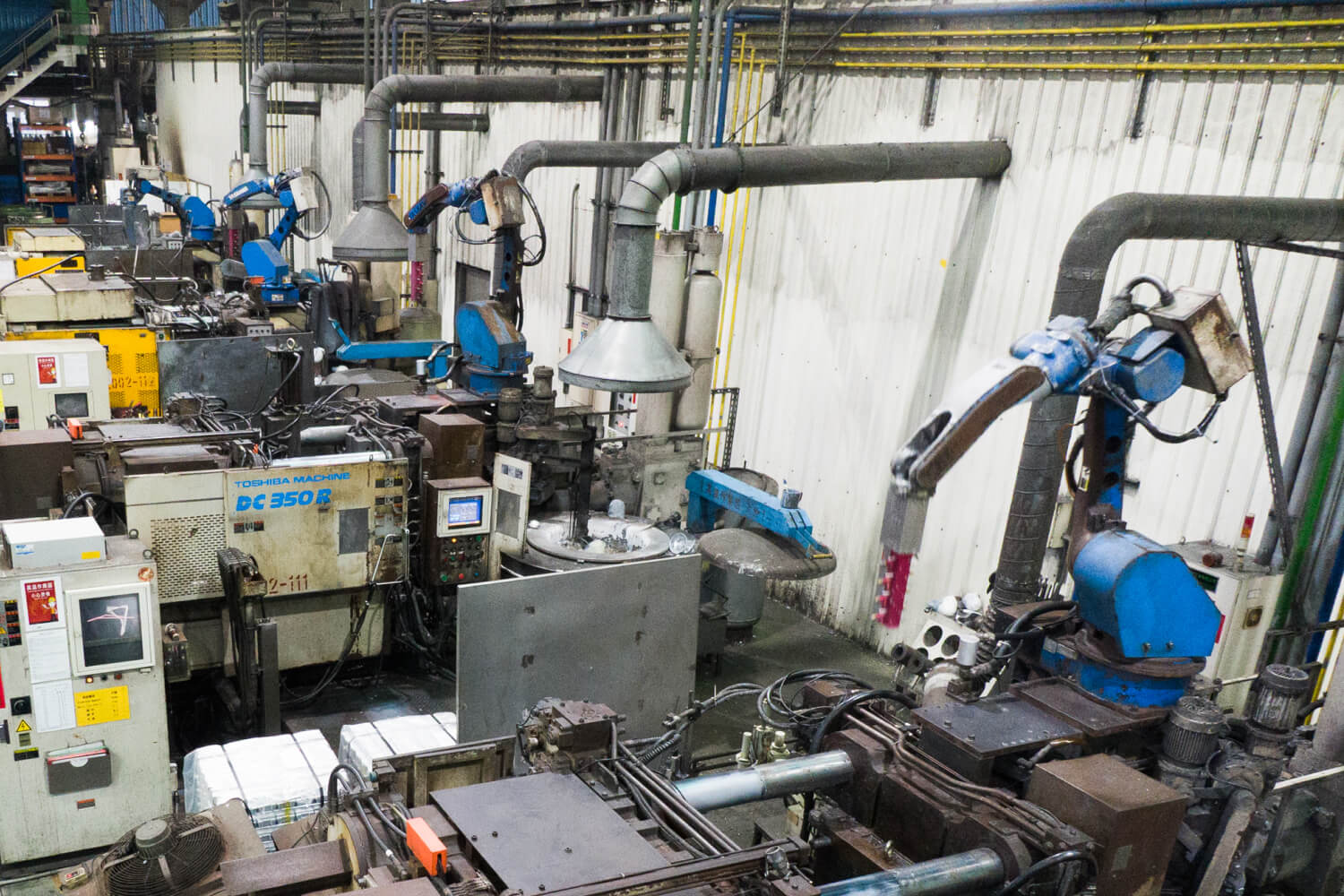
Die Casting Machines
Expertise
38+
Years Experience
Solution
1 Stop
In-House Production
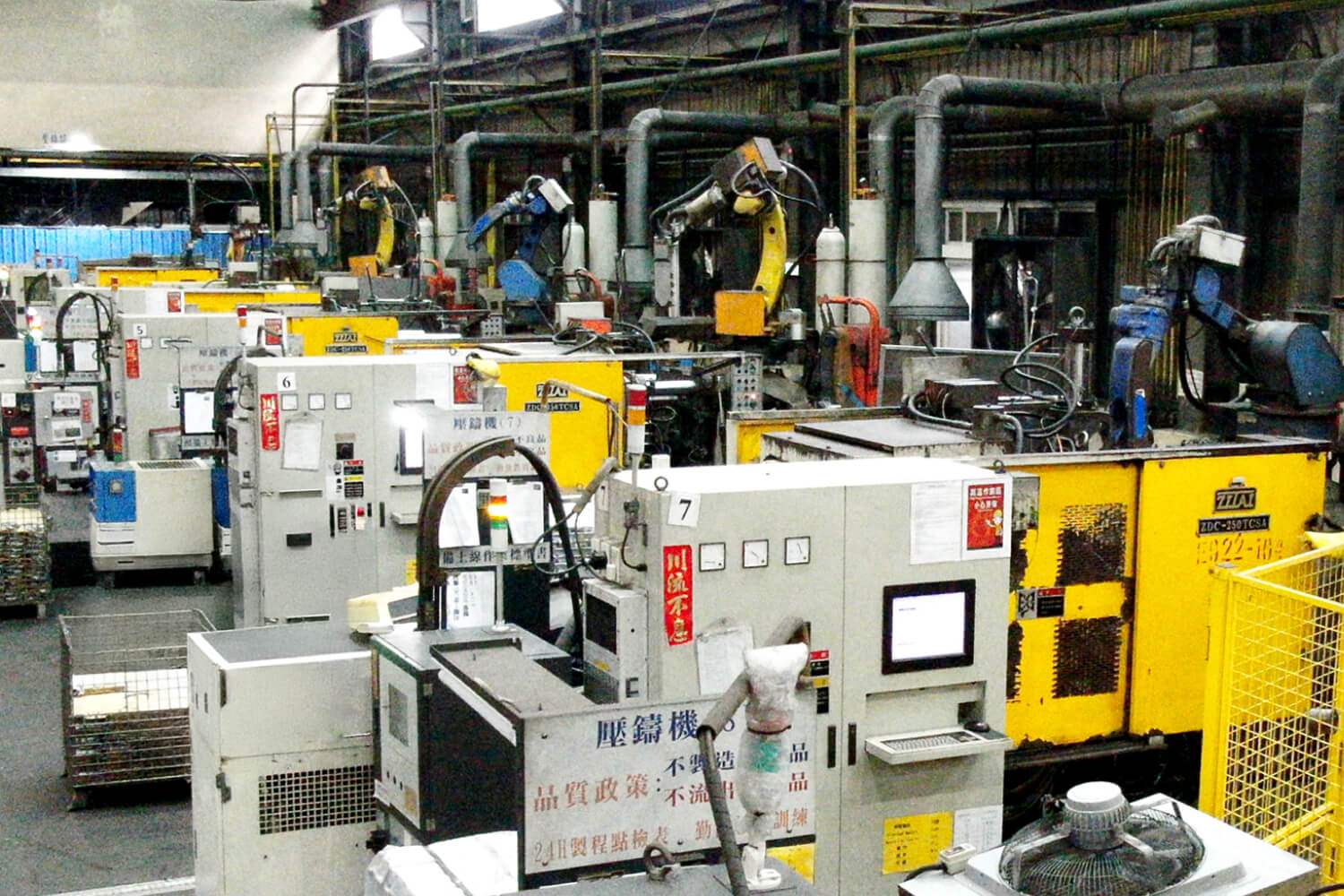
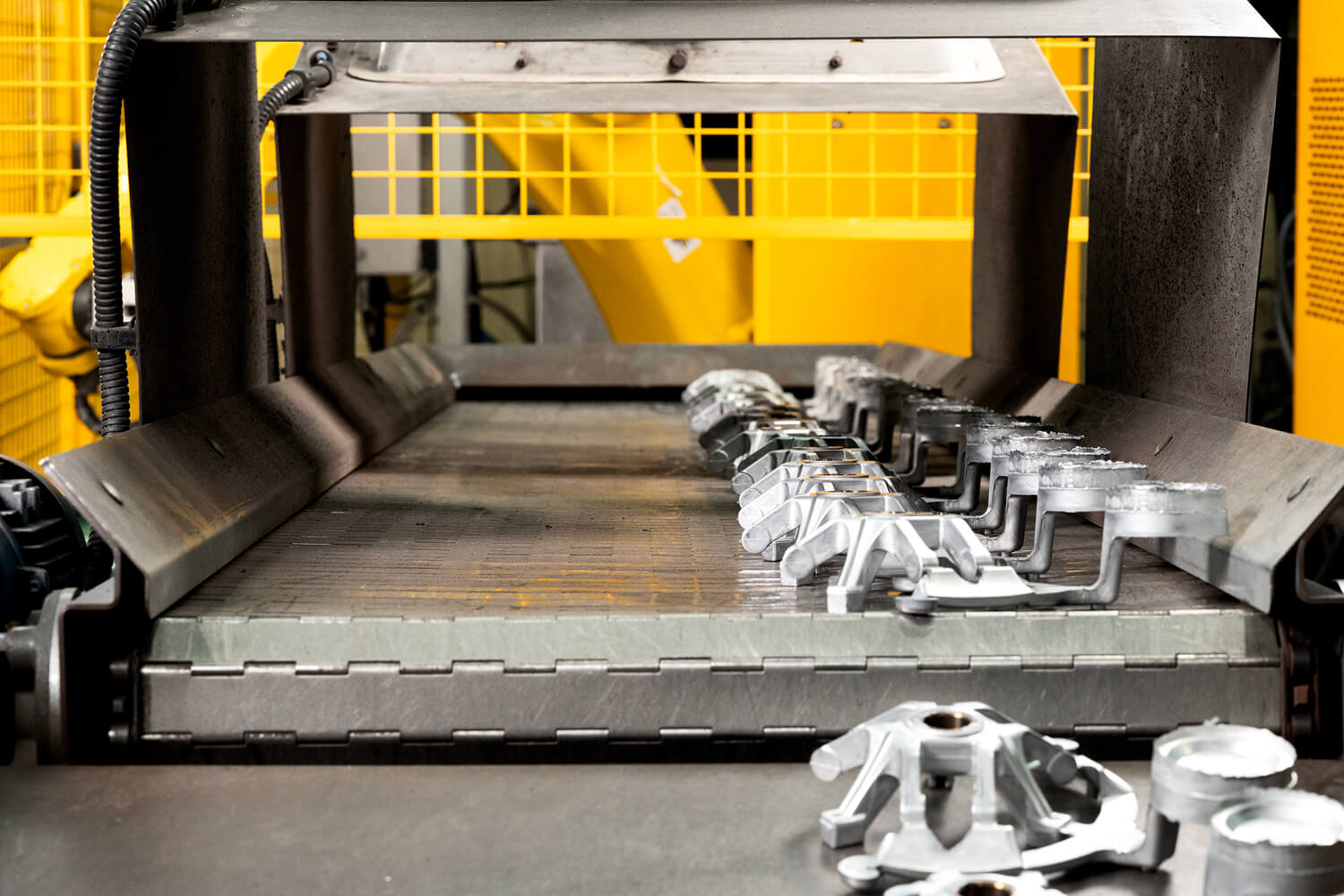
Our high pressure aluminum die casting services deliver complete, vertically integrated production solutions for international brands under one roof from our ISO certified Taiwan production facilities. We can accommodate high volume 24 hour production needs from design all the way through to finishing services in a single location to provide you with efficient and cost effective die casting solutions.
We have been exporting die cast products to North American and European brands for decades and also have long customer relationships in the Japanese market.
High Volume
Production Capability
10g to 3kg+
Part Weight Range
Aluminum Alloys
ADC-12 / A360 & ADC-3 / A383
| Machine Tonnage | 135T | 180T | 250T | 350T | 420T | 900T |
|---|---|---|---|---|---|---|
| Typical Part Size | Parts up to 150 mm | Parts up to 200 mm | Parts up to 300 mm | Parts up to 400 mm | Parts up to 500 mm | Large castings up to 800 mm |
| Applications | Electronics / Small Hardware | Hand Tools / Fittings | General Hardware / Tools | Marine Hardware / Industrial | Automotive / Pneumatic Tools | Heavy Equipment / Large Housings |
Machine tonnage requirements depend on your part’s projected surface area (the 2D silhouette of the part perpendicular to mold opening direction). As a rough guide, parts under 150mm typically fit our 135T-250T machines, parts 150-350mm use 250T-420T machines, and large components above 350mm require our 900T machine.
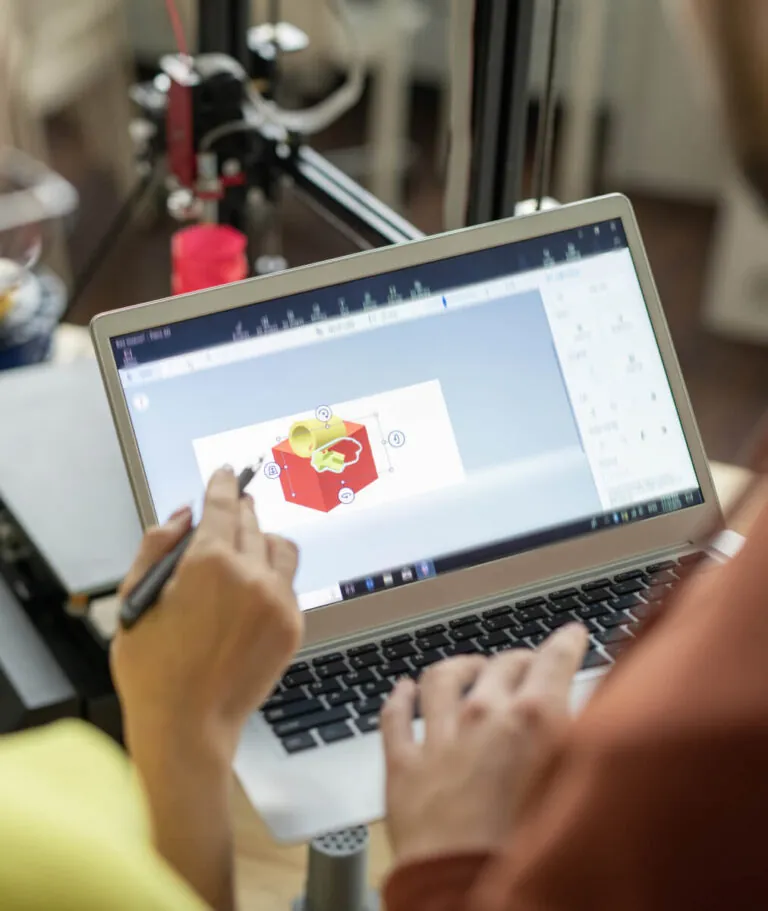
Our mold engineering team calculates precise tonnage requirements during quoting based on your CAD files and projection area.
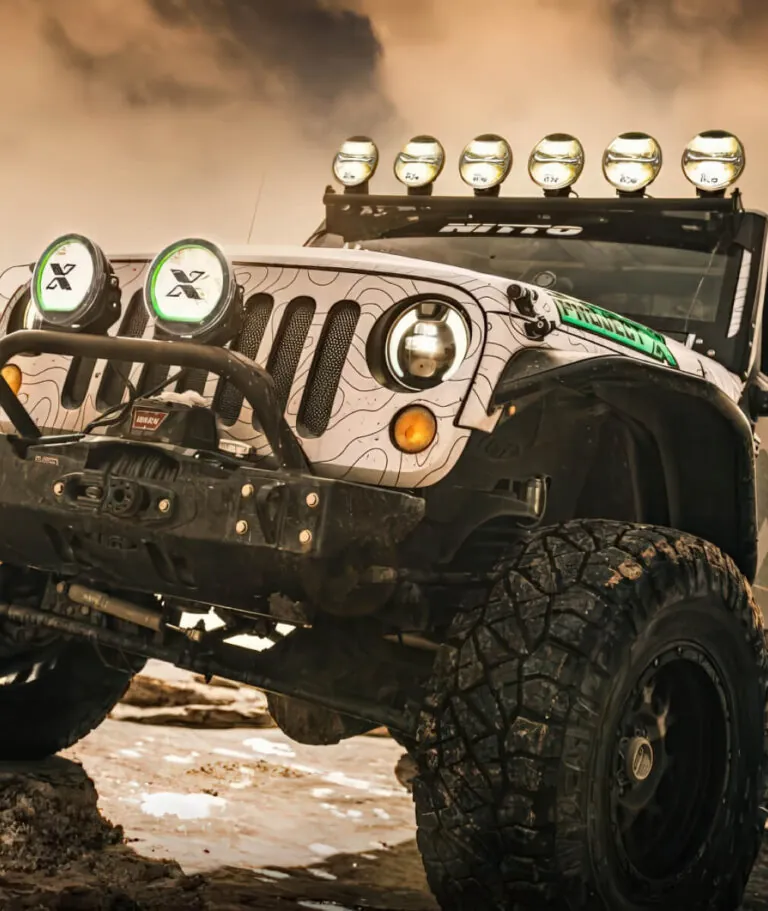
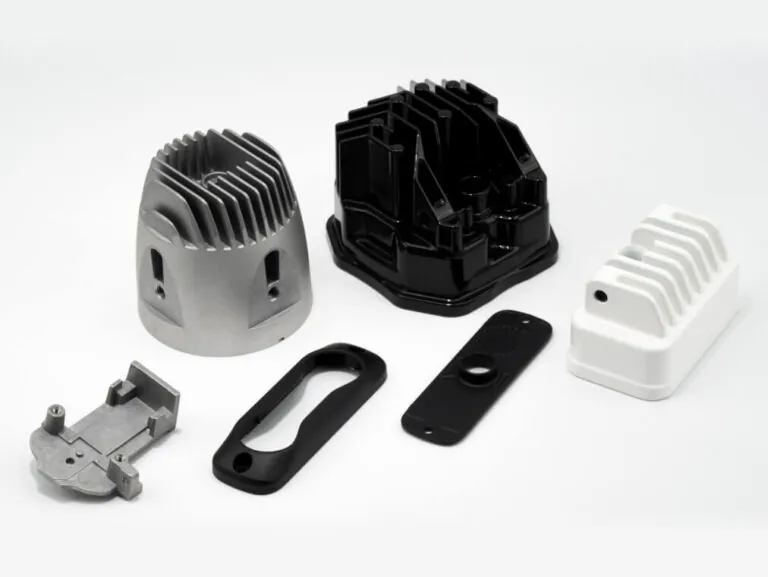
ADC-12 / A360 (equivalent to ADC-3 / A383) offers excellent castability and represents 82% of our production, ideal for pneumatic tools, agricultural machinery, and LED lighting where corrosion resistance is secondary. It is the most commonly use material for die casting.
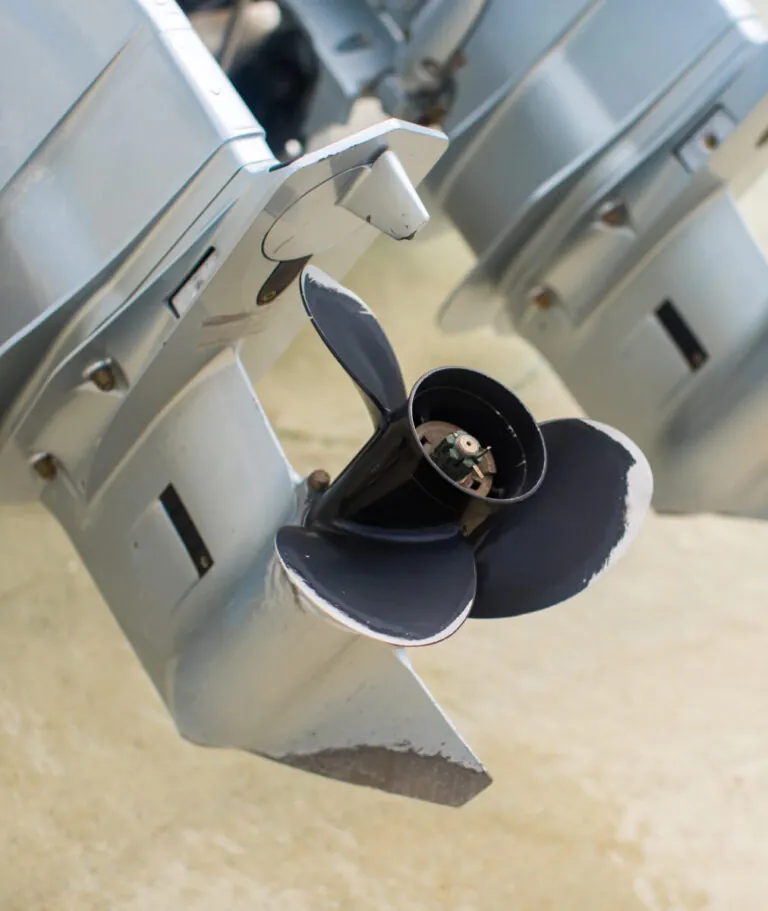
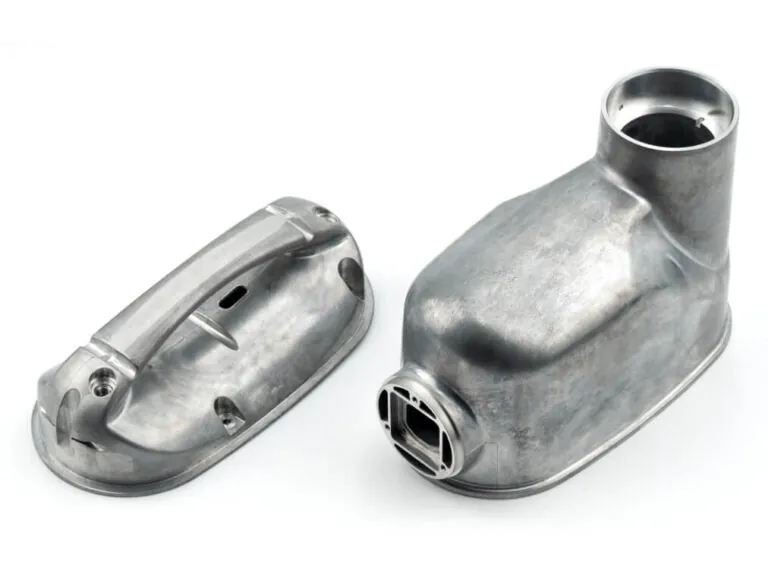
ADC-3 / A383 (ADC-12 / A360) provides enhanced corrosion resistance for marine components, boat hardware, and outdoor applications exposed to saltwater or harsh environments, though it costs approximately 15-20% more than ADC-12 / A360 and has lower fluidity than ADC-12 / A360.
MOQ depends on part complexity and size. Simple single-cavity parts from our 135T-420T machines have 2,000-piece minimums, while complex multi-cavity molds or large castings from our 900T machine require 1,000 piece minimums to justify tooling investment.
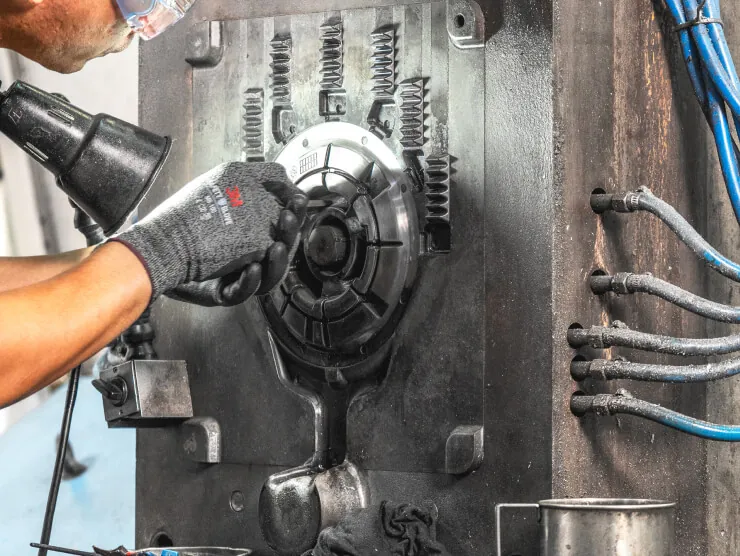
Our mold flow simulation identifies potential porosity locations during mold design, allowing strategic gate placement and venting to direct porosity away from critical areas. Vacuum-assisted casting and optimized injection parameters minimize gas entrapment.
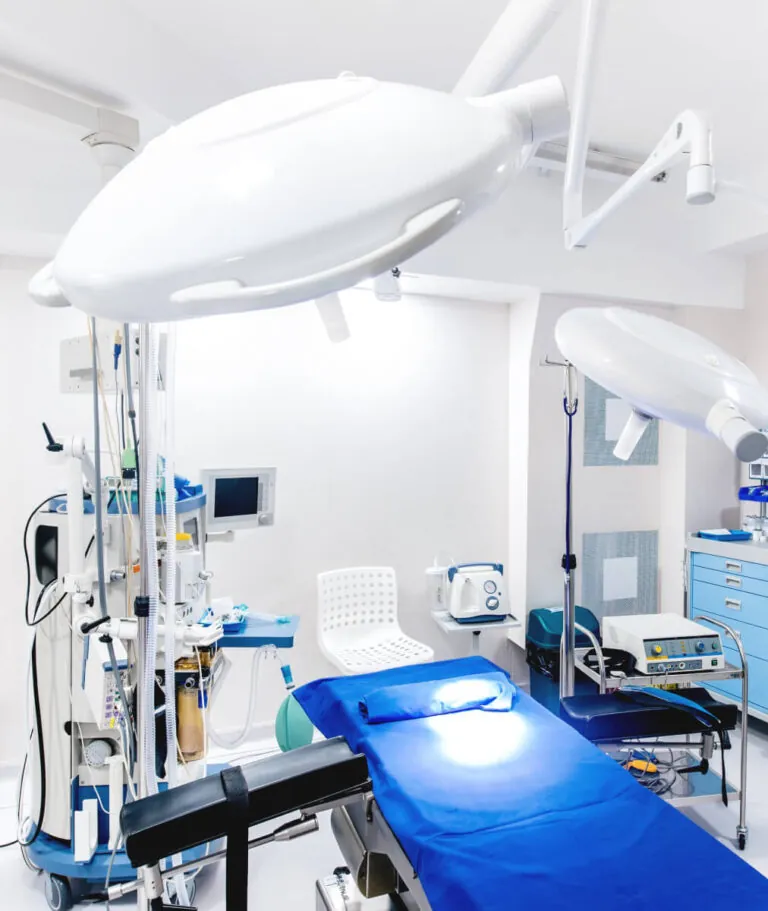
For medical equipment components or pneumatic tool pressure chambers requiring zero porosity, we specify X-ray inspection or proof pressure testing as additional verification.
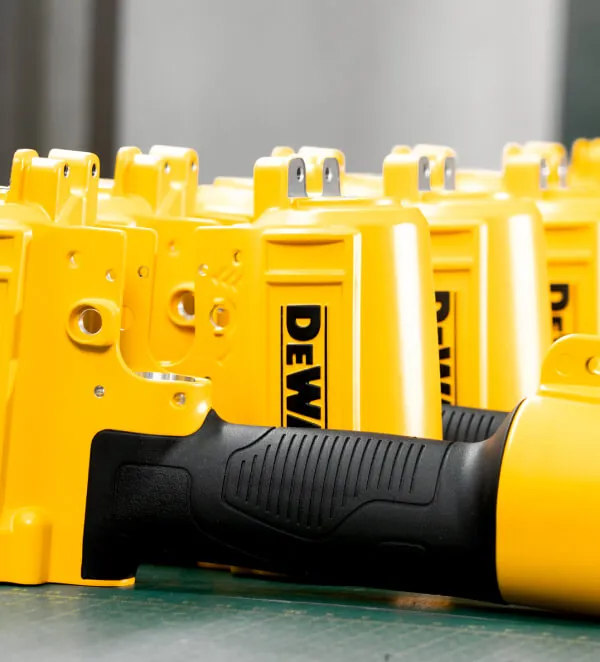
Minimum wall thickness is typically 2.5-4.5mm depending on part size and flow length. Walls below 1.5mm risk incomplete fill or weak sections.
Maximum wall thickness should generally not exceed 10mm due to shrinkage and porosity concerns in heavy sections. Our mold engineering team provides DFM feedback during quoting if your design includes problematic wall thickness variations.
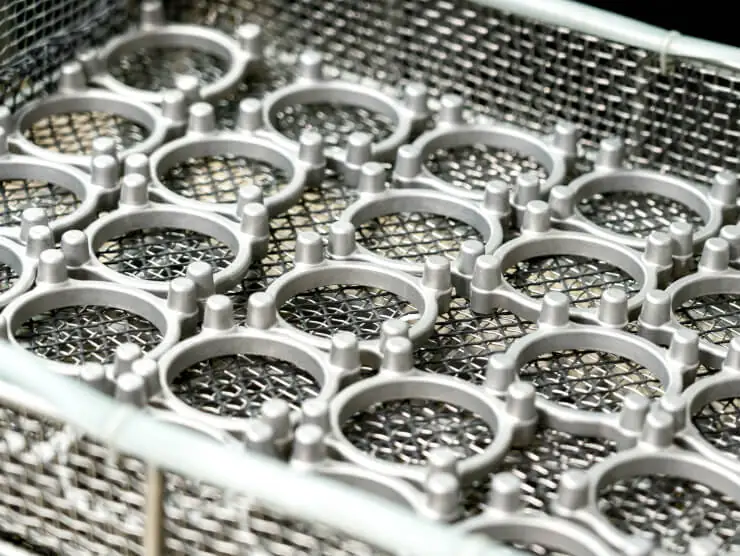
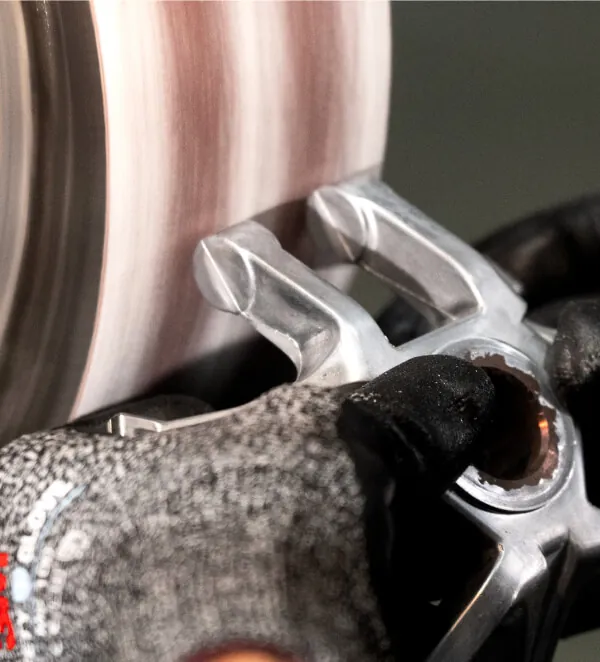
As-cast aluminum surfaces typically achieve Ra 3.2-6.3 μm depending on mold condition and part geometry. This requires polishing or shot blasting before surface coating for most applications. Cosmetic surfaces visible to end users need secondary finishing operations.
Mold texturing can create specific surface patterns, but fine surface finish requires post-casting polishing at our facility.
Operators perform visual inspection for surface defects, flash, and incomplete fill on every casting. Dimensional spot checks using go/no-go gauges verify critical features at defined intervals.
Our quality team conducts periodic weight checks to confirm consistent cavity fill and samples parts for CMM verification. Defective castings are scrapped immediately rather than proceeding to expensive CNC machining operations.
Have a question that is not covered in the FAQ? Our AI assistant can help you find answers, products, or the right next step.
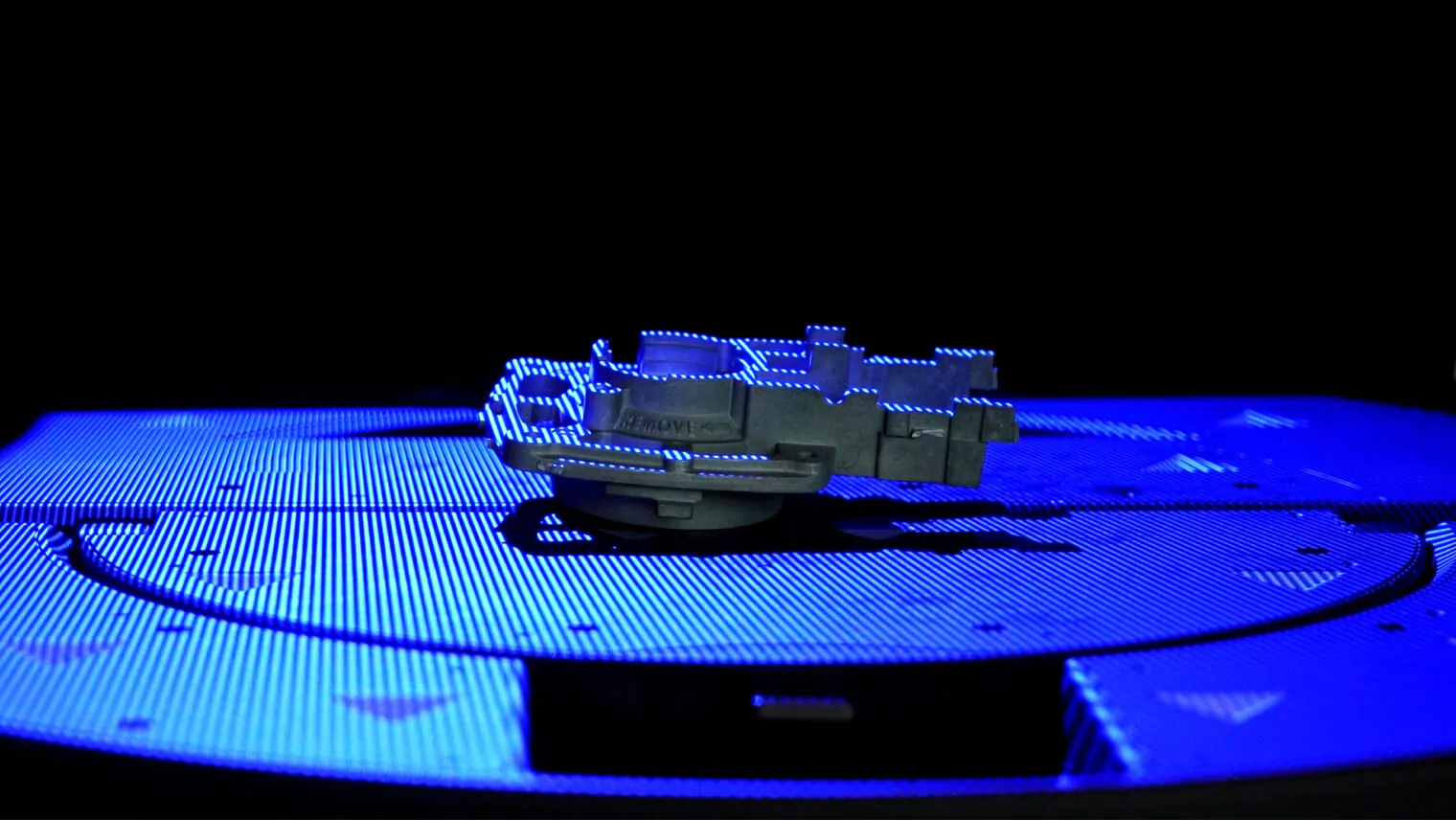
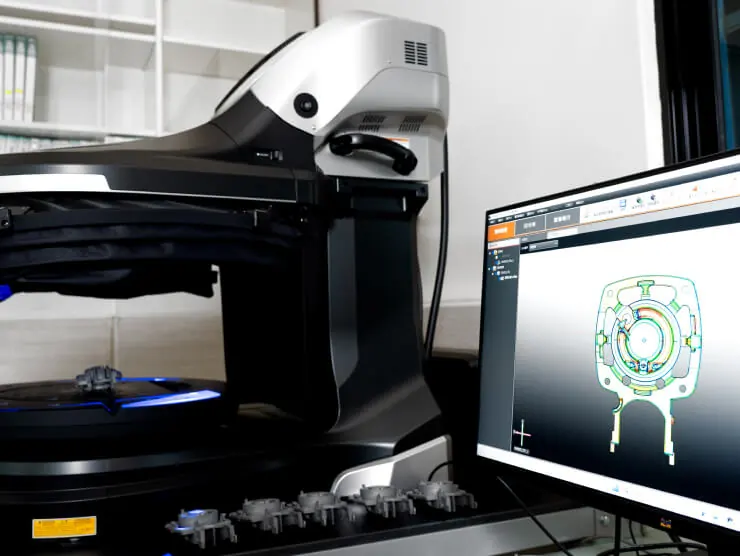
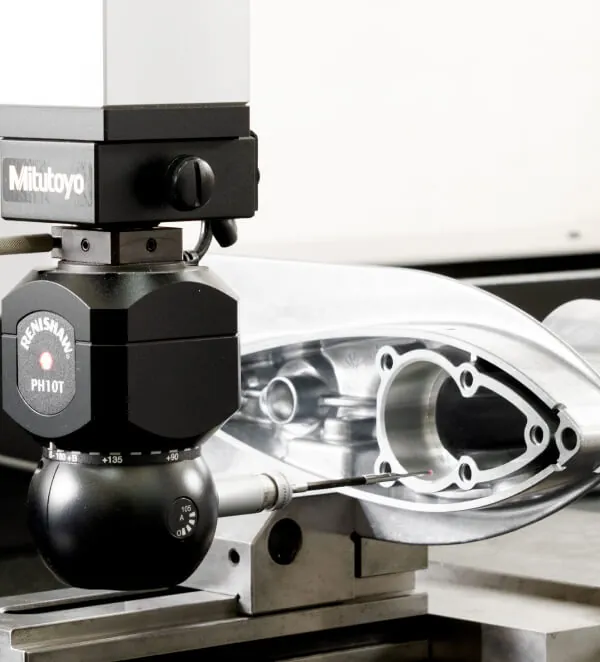
We use Keyence 3D Scanning Systems for dimensional verification and 3D CMMs for micron-level dimensional accuracy verification
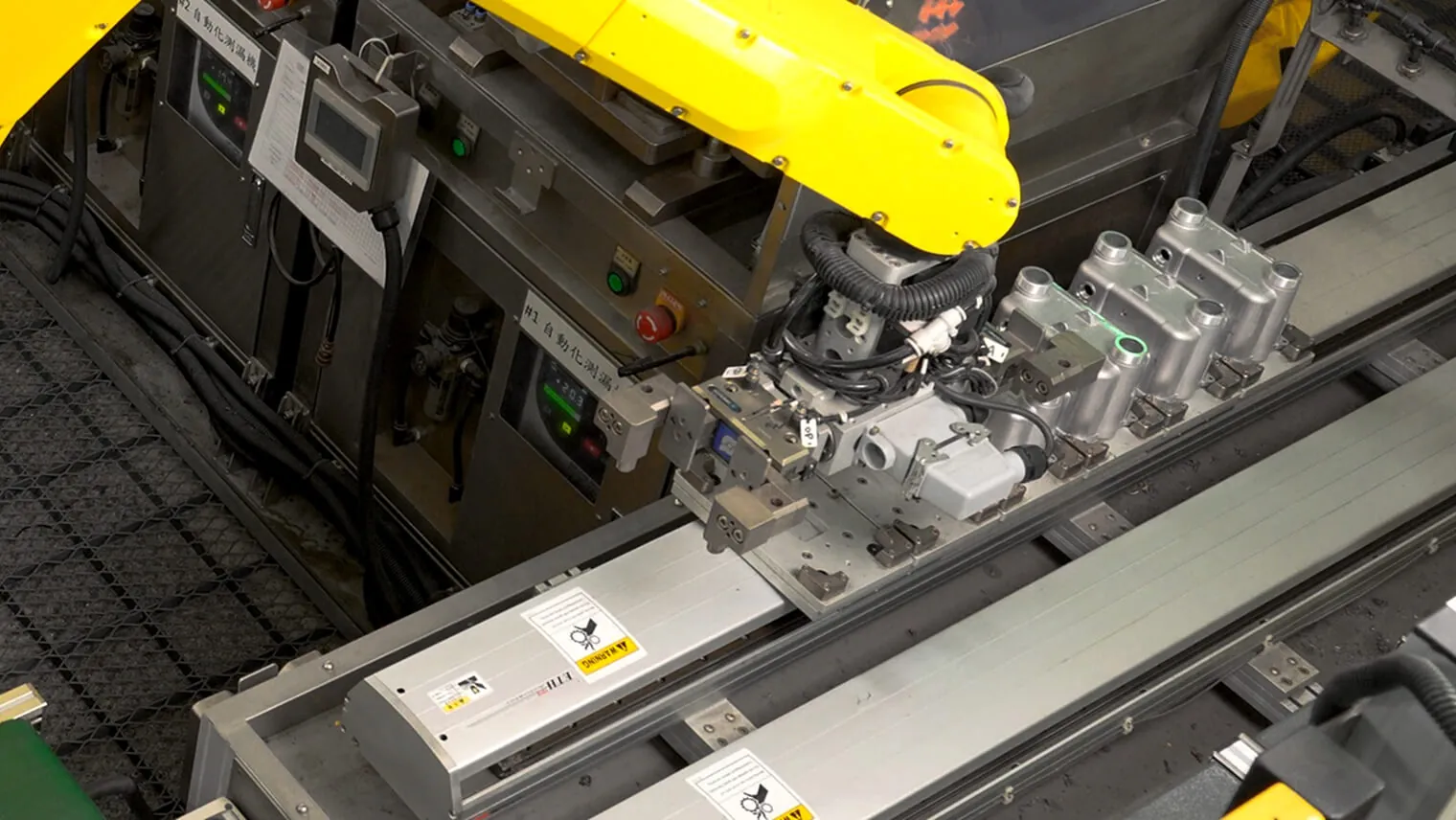
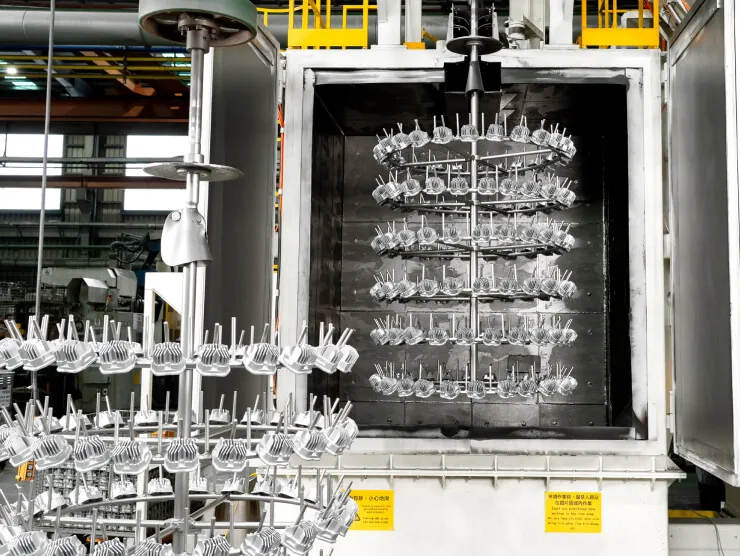
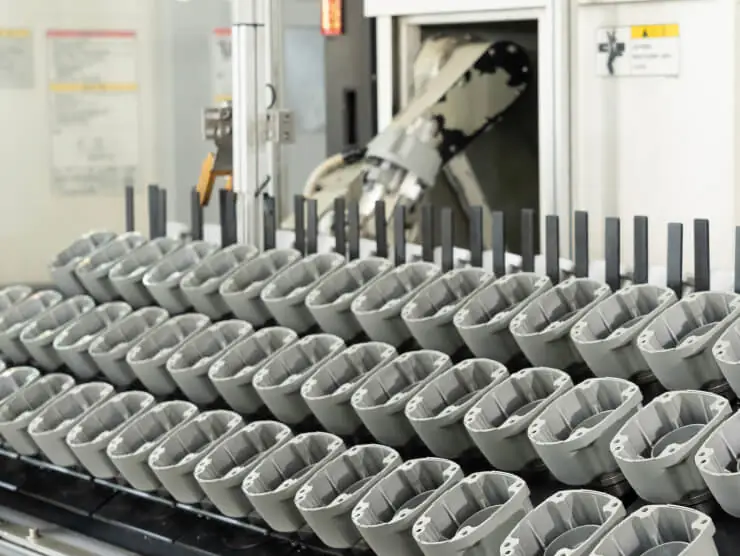
At Joincast we keep every critical process in-house at Joincast, operating from a 9,900 m² facility to deliver dependable lead times and consistent quality. Across three production sites, we run die casting machines (135T–900T), CNC machining centers with automation, plus fully integrated surface treatment lines.
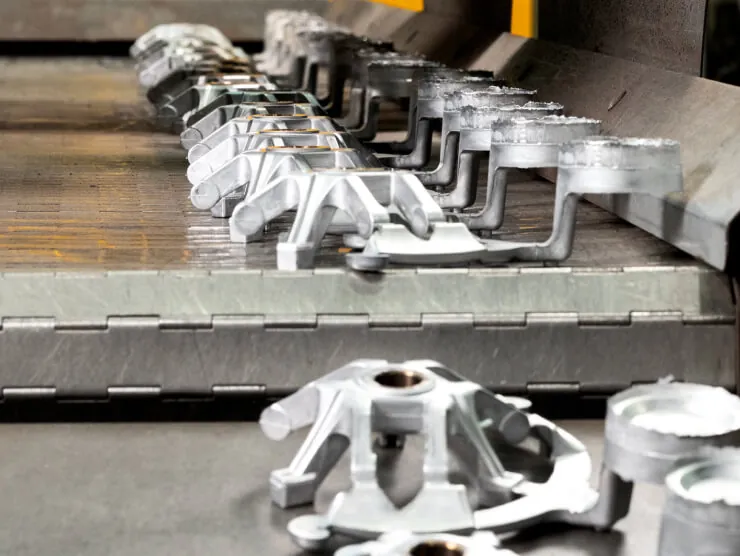
From small precision parts to castings up to 3 kg, we process ADC-12 / A360 and ADC-3 / A383 aluminum alloys in a 24-hour, single-supplier operation.

Mold Engineering
Die Casting
Polishing & Shot Blasting
CNC Machining
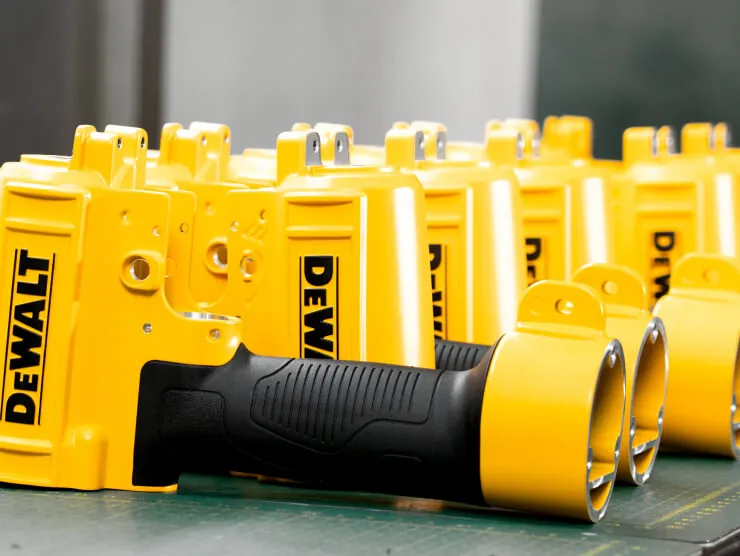
Surface Treatment
TPR Insert & Printing
Quality Inspection
This feature is currently under development. We are excited to launch this service shortly to better support your manufacturing inquiries.

| Service | Cookies | Description |
|---|---|---|
| Google Analytics | _gat_gtag, _ga, _gid | Used to distinguish users and sessions for web statistics purposes. |
| Service | Cookies | Description | |
|---|---|---|---|
|
|
Google Analytics | _gat_gtag, _ga, _gid | Used to distinguish users and sessions for web statistics purposes. |